Aster
Aster
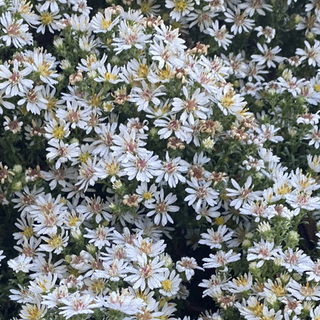
Asters are star-shaped, daisy-like flowering plants in the family Asteraceae that typically bloom in late summer and autumn.
Overview and Characteristics
Name: The word aster comes from the ancient Greek word for "star," referring to the flower's distinct shape.
Life Cycle: Most garden asters are hardy herbaceous perennials that return year after year, though some varieties grow as annuals.
Blooms: They feature bright ray petals—often in shades of purple, lavender, blue, pink, or white—surrounding a central yellow disk.
Size: Depending on the species and cultivar, heights range from compact 6-inch mounds up to towering 6-foot-tall plants.
Care and Growing Requirements
Sunlight: Asters thrive best in full sun (at least 6 hours of direct light daily) for the most vibrant and abundant blossoms.
Soil: They prefer rich, loamy, and well-draining soil, but can adapt to various types including clay or sand as long as water does not pool and rot the roots.
Watering: Keep young plants evenly moist. Established asters have average moisture needs, but require regular watering during prolonged dry summer spells.
Maintenance: Pinch back the stems in late spring or early summer (stopping by the 4th of July) to encourage a bushier, sturdier plant. Deadhead spent blooms to prolong the flowering season.
Benefits in the Garden
Pollinator Support: Because they bloom late in the season, asters provide a vital, life-saving source of late-season nectar and pollen for bees, butterflies, and other pollinators just as other flowers fade.
Wildlife: They act as important host plants for numerous butterfly and moth caterpillars.
Hardiness: Many native varieties are remarkably resilient, deer-resistant, and easy to maintain in typical home landscapes
Couldn't load pickup availability
20 in stock
View full details